
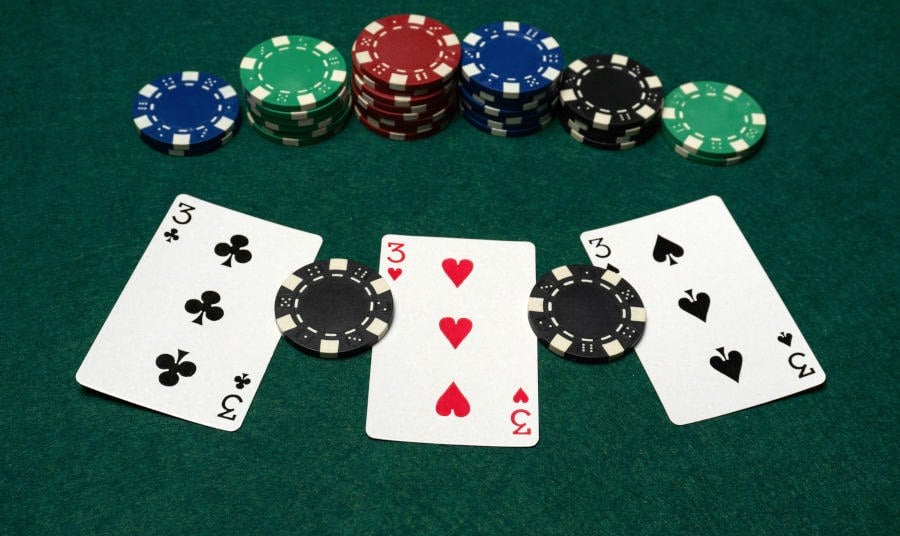
3 Card Poker Odds
Three Card Poker is a fast-paced casino table game that combines elements of traditional poker with straightforward betting options. While the rules are easy to learn, understanding the Three Card Poker odds can help players make more informed decisions at the table. By understanding how hand probabilities, dealer qualification rules, and house edges work, players can better understand the game's dynamics and how different bets affect potential outcomes.What Is 3 Card Poker?
Three Card Poker is a casino table game played between the player and the dealer using a standard 52-card deck. Each player receives three cards, and the dealer receives three cards as well. The goal is to form a higher-ranking poker hand than the dealer using those three cards.At the beginning of each round, players place an ante bet to participate in the hand. After viewing their cards, players decide whether to fold or place an additional play bet to continue. If the player continues and their hand beats the dealer's qualifying hand, the bets are paid according to the game's payout structure.
Many tables also offer an optional Pair Plus bet, which pays based on the strength of the player's hand regardless of the dealer's cards.
How the Odds Work
Because each player and dealer receives only three cards, the odds in Three Card Poker differ from traditional five-card poker games. With fewer cards involved, certain hands become more or less likely to appear, which affects the game's probabilities and payouts.Understanding these odds helps explain how often particular hands appear and how the house edge is built into the game.
Hand Rankings and Probabilities
Three Card Poker uses a slightly different hand ranking order compared with standard poker because of the reduced number of cards.The typical hand rankings from highest to lowest are:
- Straight Flush
- Three-of-a-Kind
- Straight
- Flush
- Pair
- High Card
Dealer Qualification Rules
Another factor affecting the Three Card Poker odds is the dealer qualification rule. In most versions of Three Card Poker, the dealer must have at least a queen-high hand to qualify.If the dealer does not qualify, the player's ante bet is paid even money if the player has not folded, and the play bet pushes (no win or loss). This rule slightly improves the player's chances on certain hands and affects the game's overall odds.
The House Edge Explained
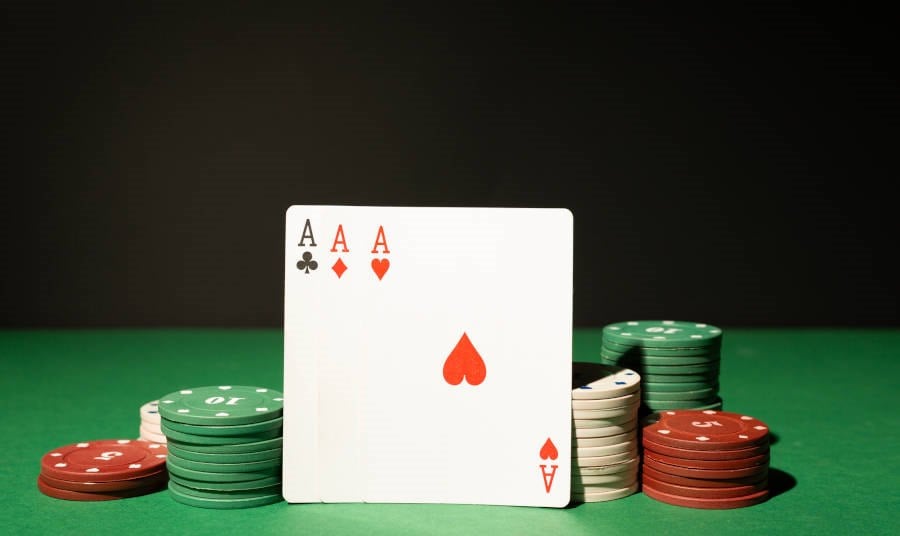
Like all casino table games, Three Card Poker includes a built-in mathematical advantage for the house. This advantage is known as the house edge, which represents the average percentage of each wager that the casino expects to retain over time.
Ante Bet House Edge
The ante bet is the main wager required to participate in a round of Three Card Poker. When players follow an optimal strategy - usually playing hands of Queen-6-4 or better - the ante bet typically carries a house edge of about 3-4 percent. This edge reflects the combination of dealer qualification rules, hand probabilities, and payout structures.
Pair Plus House Edge
The Pair Plus bet is an optional side wager that pays based solely on the strength of the player's three-card hand. The dealer's cards are not considered for this bet.Because Pair Plus offers attractive payouts for stronger hands such as straights and straight flushes, it usually carries a higher house edge, often around 7 percent or more, depending on the specific payout table used.
Play Bet House Edge
The play bet is placed after the player views their cards and chooses to continue the hand. When combined with an appropriate strategy for the ante wager, the play bet helps balance the game's overall Three Card Poker odds.Since the play bet only occurs when a player chooses to continue with a stronger hand, it typically carries a lower effective house edge than many optional side bets.
Payout Tables
Payout tables determine how much players can win in Three Card Poker depending on the strength of their hand and the type of wager they place. Understanding the payout tables can help players recognize the potential rewards associated with different hands and betting options.
Ante Bonus Payouts
In addition to the standard ante and play bet payouts, many Three Card Poker tables offer an ante bonus. This bonus pays when the player's hand reaches a certain ranking, regardless of whether the dealer qualifies or whether the dealer's hand is beaten.Typical ante bonus payouts may include:
- Straight: 1 to 1
- Three of a Kind: 4 to 1
- Straight Flush: 5 to 1
Pair Plus Payouts
The Pair Plus bet is a popular optional wager that rewards players for receiving a strong three-card hand. Unlike the ante bet, this wager does not depend on beating the dealer.Common Pair Plus payouts include:
- Pair: 1 to 1
- Flush: 3 to 1
- Straight: 6 to 1
- Three of a Kind: 30 to 1
- Straight Flush: 40 to 1
Side Bet Payouts
Some Three Card Poker tables also include side bets with bonus payouts based on specific outcomes. These wagers vary by game. Side bets may pay for combinations such as: - Certain strong player hands
- Special hand combinations involving the dealer's cards
- Progressive jackpot opportunities
How 3 Card Poker Compares to Other Table Games
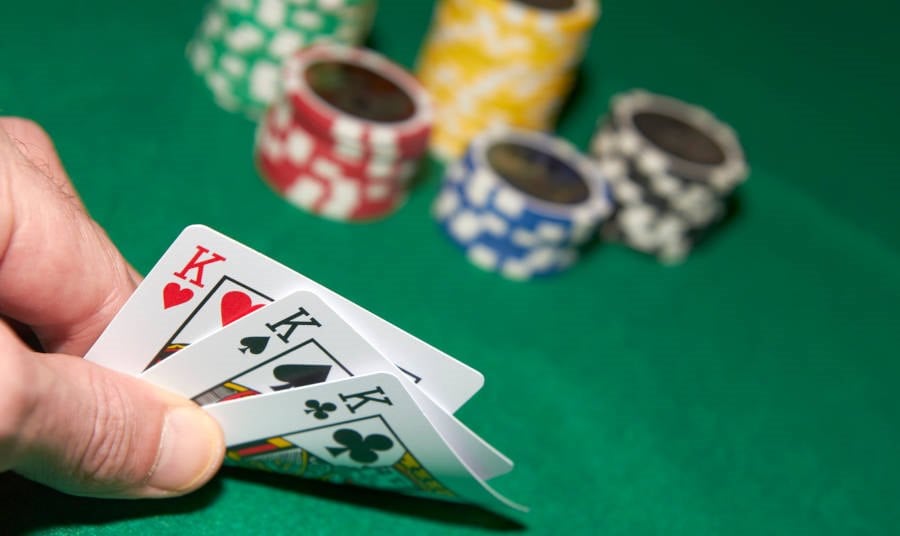
Three Card Poker shares some similarities with other table games but offers a distinct gameplay experience. Its simple rules, quick pace, and straightforward betting options make it appealing to both new and experienced players.
3 Card Poker vs. Blackjack
Blackjack is widely known for offering one of the lowest house edges in the casino when players use optimal strategy. The game also involves more decision-making, including choices such as hitting, standing, doubling down, or splitting pairs.Three Card Poker, by contrast, has simpler decision points. Players generally choose whether to fold or continue based on the strength of their hand. Because of this simplicity, the game moves quickly and is easy to learn. However, blackjack typically provides slightly better Three Card Poker odds for experienced players who use proper strategy.
3 Card Poker vs. Card Roulette
Card Roulette is another table game that blends elements of traditional casino games with playing cards. The game is largely based on chance, with players betting on where the ball will land on a wheel featuring card symbols rather than numbers.Three Card Poker involves more player interaction and hand evaluation. Players must assess the strength of their cards and decide whether to continue betting. Both games offer a fast-paced experience, but Three Card Poker provides a stronger connection to traditional poker hand rankings and gameplay mechanics.
Common Odds Mistakes Players Make
Although Three Card Poker is relatively simple compared with many other table games, players sometimes misunderstand how the Three Card Poker odds work. Being aware of common mistakes can help players better understand the game and approach it with clearer expectations.One common mistake is overestimating how often strong hands appear. Hands like straight flushes or three-of-a-kind have attractive payouts, but they occur relatively infrequently. Most hands in Three Card Poker will be high-card hands.
Another mistake is misunderstanding the role of the ante and play bets. Some players may fold too often or continue with weak hands. In general, players should consider the strength of their hand before deciding whether to place the play bet.
Players also sometimes assume that optional side bets offer better odds because of their higher payouts. While these bets can add excitement, they typically carry a higher house edge than the main game wagers.
Frequently Asked Questions About 3 Card Poker Odds
Players new to Three Card Poker often have questions about how the odds work and how the game compares to other table games. The following answers address some of the most common questions we get.
Is Three Card Poker Good Odds?
Three Card Poker offers relatively straightforward odds compared with many table games. The house edge depends on the type of bet being placed, with the ante and play bets generally offering better Three Card Poker odds than optional side bets.
What Is the Best Hand in 3 Card Poker?
The highest-ranking hand in Three Card Poker is a straight flush, which consists of three consecutive cards of the same suit. This is the rarest and strongest possible hand in the game. Other strong hands include three of a kind, straight, and flush, followed by pairs and high-card hands. Play 3 Card Poker at Cache Creek Casino Resort
If you enjoy fast-paced poker-style table games, Three Card Poker offers an exciting and easy-to-learn experience. With simple rules and quick rounds, the game provides plenty of opportunities for players to test their luck and enjoy the thrill of the casino floor.At Cache Creek Casino Resort, guests can explore a variety of table games, including Three Card Poker, in a lively and welcoming gaming environment. Visit us today to enjoy the thrilling action of casino gaming!