
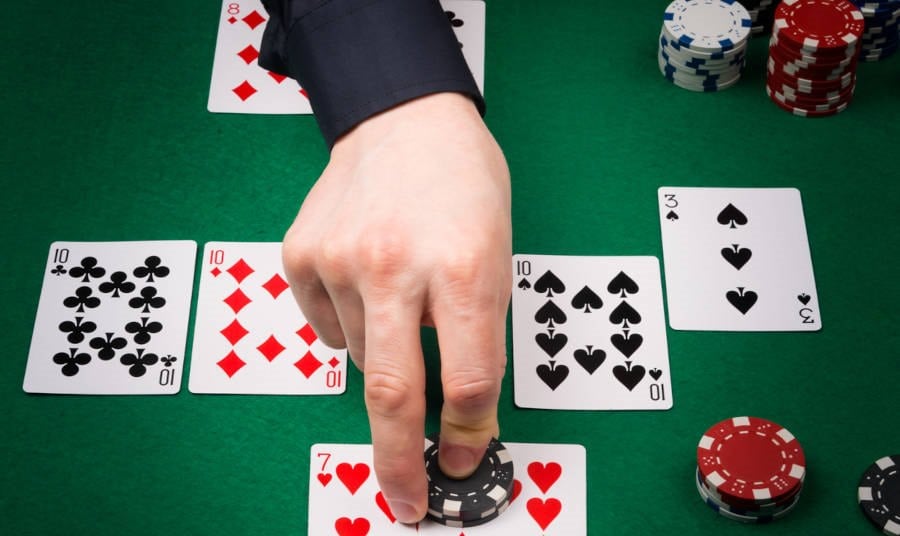
What Is a Push in Blackjack?
In the game of blackjack, every hand has the potential to end in one of three outcomes: a win, a loss, or a push. Many new players ask, "what is a push in blackjack?" It's an often-overlooked scenario that plays a vital role in the game's balance. A push occurs when both the player and the dealer have the exact hand total, creating a tie that neither side wins nor loses.Definition of a Push in Blackjack
A push in blackjack is essentially a tie between the player and the dealer. When both hands have equal value, such as 19 vs. 19 or 21 vs. 21, the round ends without a winner. If you've ever wondered what is a push in blackjack, it's when your original bet is simply returned to you — no money is gained or lost.For example, if you bet $50 and both you and the dealer end up with a total of 20, the hand is considered a push. Your $50 wager is returned to you, and you can decide whether to place another bet for the next round.
Common Scenarios for a Push
Pushes occur more frequently than players realize. The most common situations include: - Matching totals: Both player and dealer end the round with the exact total under 21 (like an 18-18 or 20-20).
- Matching blackjack: Both player and dealer are dealt a natural blackjack (an Ace and a 10-value card).
- After dealer hits to tie: The dealer draws additional cards and ends up matching the player's hand total.
Does a Dealer Win on a Push?
No. On a push, the dealer does not win. The result is a neutral outcome where the casino does not collect the player's bet, and the player does not receive any winnings. It's essentially a "no decision" round.However, it's important to note that while a push doesn't cost you money, it also doesn't add to your bankroll, so your total balance remains the same after the hand.
How a Push Occurs in Blackjack
A push occurs at the end of a round after all cards have been dealt and both the player and dealer reveal their hands. The dealer's hand must meet the exact total as the player's, without exceeding 21, for the result to be a push.For example, if the player stands on 19 and the dealer hits a 19, the result is a tie and no chips are added or removed from the player's stack. The round ends, and play moves on to the next hand.
Tied Hands Between Player and Dealer
Tied hands are the heart of a push. In most cases, both totals are equal but under 21. When both the player and dealer have blackjack (an Ace and a 10-value card), it's also considered a push, even though blackjack usually pays out 3:2 in other scenarios.In these cases, the dealer announces "push," collects neither chips nor winnings, and returns the player's original bet. It's the game's way of calling it even.
Examples of Push Situations
Here are a few examples of common push situations: - Example 1: You're dealt a 10 and a 9, totaling 19. The dealer's upcard is a 7, and after hitting, they end up with 19. The result: push.
- Example 2: Both you and the dealer are dealt blackjack (an Ace and a King). Despite both having 21, it's still a push.
- Example 3: You stand on 20, and the dealer draws cards to reach 20. Again, push.
What Happens When There Is a Push
When a push occurs in blackjack, the hand ends in a tie between the player and the dealer. Still wondering what is a push in blackjack in practical terms? It's when no chips are won or lost — your original bet is returned to you. The dealer announces "push" before sweeping up all losing bets and sliding your wager back. From there, you can either keep your chips in play or cash out.
Is a Push a Loss in Blackjack?
No, a push is not a loss in blackjack. While you don't win any money, you don't lose your bet either. Your wager is returned exactly as it was before the hand began. For example, if you bet $25 and the round ends in a push, your $25 is returned to you.This can feel disappointing for players who came close to winning, but it's also a small relief compared to losing a hand.
Impact on Player's Winnings
Pushes can keep your bankroll steady but may also impact your short-term results, particularly during extended sessions. Understanding what is a push in blackjack helps you manage expectations: a push has a neutral effect on your bankroll because your balance doesn't change. Still, it influences gameplay, allowing you to stay in longer without extra losses while slightly disrupting streaks.Pushes in Different Blackjack Variations
While the core rule of a push remains the same across most blackjack games, some variations have unique twists that affect how ties are handled.
Rule Differences
- Classic Blackjack: A tie between player and dealer results in a push with no win or loss.
- Blackjack Switch: If both hands tie with the dealer, the dealer wins all ties except for natural blackjacks.
- Spanish 21: All player blackjacks automatically win, eliminating the push scenario for naturals.
- European Blackjack: A tie is still a push, but the dealer only draws one card initially, slightly changing the odds of reaching equal totals.