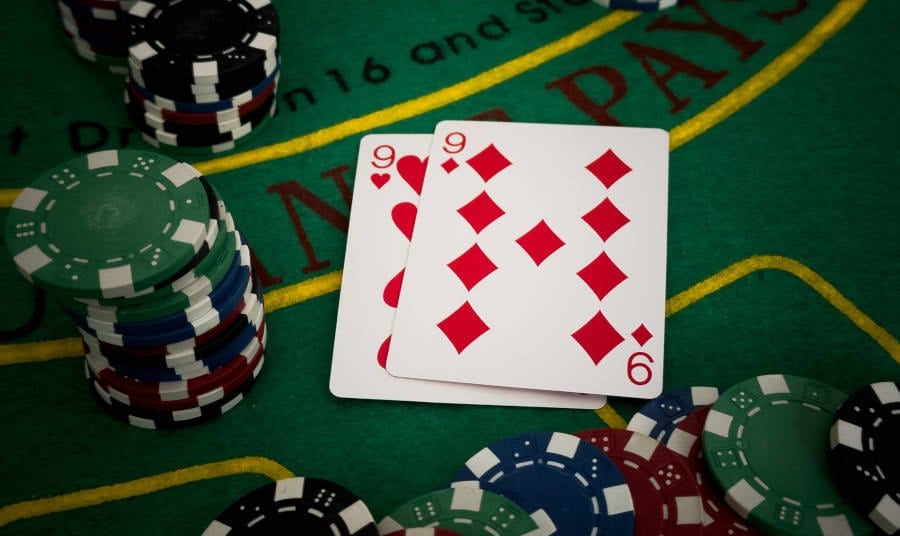
When to Hit and Stand in Blackjack
Blackjack is one of the most popular and enduring casino games worldwide, enjoyed by casual players and seasoned gamblers alike. Its appeal lies not only in the simplicity of its rules but also in the mix of luck and strategy that characterizes every hand. Unlike games based solely on chance, blackjack offers players meaningful control over the outcome - each decision you make affects whether you win, lose, or push against the dealer. Read more to find out when to hit and stand in blackjack.At the core of the game are two important choices: whether to "hit" (take another card to improve your hand) or "stand" (keep your current total and hope it holds up against the dealer). Though these may seem like simple decisions, they form the basis of blackjack strategy. A well-timed hit can turn a weak hand into a winner, while standing at the right moment can prevent a costly bust.
Understanding the basics - such as how the game is played, how card values add up, and why these choices matter - is essential for anyone who wants to improve their play. By mastering when to hit and when to stand, players not only boost their chances of winning but also enjoy this classic casino game even more.
The Basics of Blackjack
Blackjack is a straightforward game to learn, which makes it a popular choice for beginners who are looking to get their feet wet with table games. Anyone can quickly understand and even master the basics.
Objective of the Game
The goal in blackjack is simple: beat the dealer's hand without going over 21. Players don't compete against each other but rather directly against the dealer, which makes strategy and decision-making even more critical.
Card Values and Hand Totals
To track the progress of your hand in blackjack, you must understand the values of each of the cards. They are as follows: - Number cards (2-10) are worth their face value. For example, a 2 is worth 2 points.
- Face cards (Jack, Queen, King) are worth 10.
- Aces can count as either 1 or 11, whichever benefits the player's hand most.
The Importance of Hit and Stand Decisions
The choice of when to hit and stand in blackjack can make a significant impact on the flow of your game and the ultimate outcome of your bet. Knowing what's at stake for each decision can help you decide how to proceed - a decision you'll have to make within seconds.
How Player Choices Affect the Outcome
Every time you decide to hit or stand, you're influencing your odds of winning the hand. A risky hit can bust your total, but a well-timed one can secure victory. Standing at the right time prevents unnecessary losses, especially when the dealer is likely to bust.
Balancing Risk and Reward
The art of blackjack lies in balancing risk and reward. Hitting gives you a chance to improve your hand but carries the risk of going over 21. Standing locks in your current total, which may be enough to win depending on the dealer's upcard. Mastering when to take each action is the foundation of blackjack strategy. 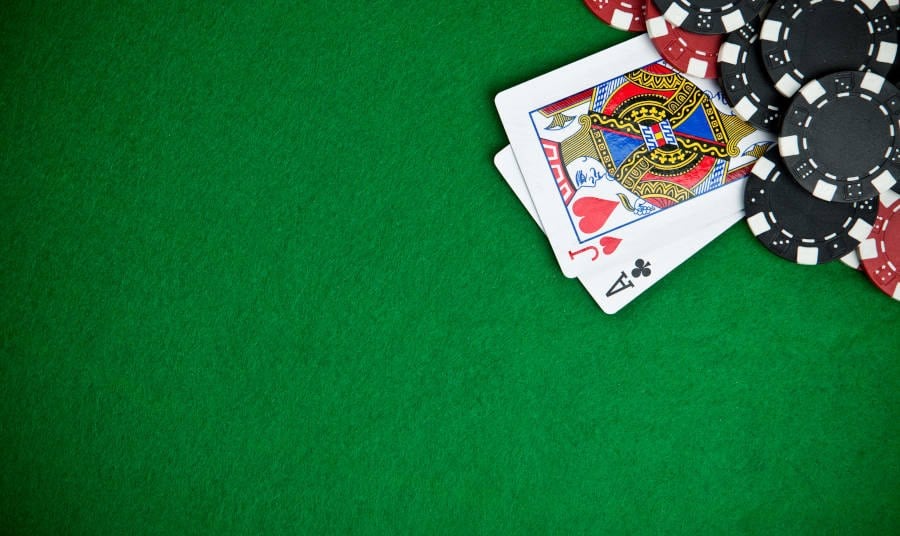
When Should You Hit and Stand in Blackjack?
One of the biggest challenges players face is knowing when to hit and stand in blackjack. While luck always plays a role, there are time-tested strategies that can guide your decisions based on your hand and the dealer's upcard.
When to Hit
You should hit when your total is low enough that the risk of going over 21 is minimal. For example, hitting on a hand totaling 12 against a dealer's high card (7 through Ace) gives you a better chance to improve. Players also tend to hit on "soft" hands (hands with an Ace counted as 11) since the Ace provides flexibility if the total goes too high.
When to Stand
Standing is the best move when your hand is strong enough that hitting risks a bust. For instance, standing on a hard 17 or higher is almost always correct. Similarly, if the dealer shows a weak upcard (2 through 6), standing on a solid total forces them into riskier draws. Player Hands Versus Dealer Upcards
Your decisions should always factor in the dealer's visible card. A dealer showing a 4, 5, or 6 is in a vulnerable position since they're more likely to bust. In this case, it's often wise to stand on moderate hands (like 12-16) rather than risk busting yourself. Conversely, when the dealer shows a strong card (7 through Ace), you may need to take more risks and hit to improve your chances.
Hard Totals
A challenging total is a hand without an Ace counted as 11. For example, a 10 and a 6 create a hard 16. Generally speaking, you should hit if you have a hand with a challenging total of 8 or less. Conversely, you should choose to stand if you have a challenging total of 17 or higher. The risk of busting is just too high. Finally, for hands with hard totals of 12-16, you should stand if the dealer has 2-6 but hit if the dealer has 7-Ace.
Soft Totals
A soft total contains an Ace counted as 11. For example, an Ace and a 5 would make a soft 16. These hands allow more flexibility because the Ace can switch to 1 if you end up drawing a high-value card. You should always hit if you have a soft 13-17, as you still have good runway left in your hand. However, you should stand if you have a soft 19 or higher. For a soft 18, stand if the dealer shows 2, 7, or 8, but hit if the dealer shows 9, 10, or Ace.
Pairs and Special Situations
Pairs add another layer of strategy. You should always split Aces and 8s, but you should never split 5s or 10s. You should split 2s, 3s, 6s, 7s, and 9s depending on the dealer's upcard.Special situations, like doubling down (doubling your bet and taking one card), also come into play when your hand has a strong chance to beat the dealer - commonly on totals of 10 or 11.