
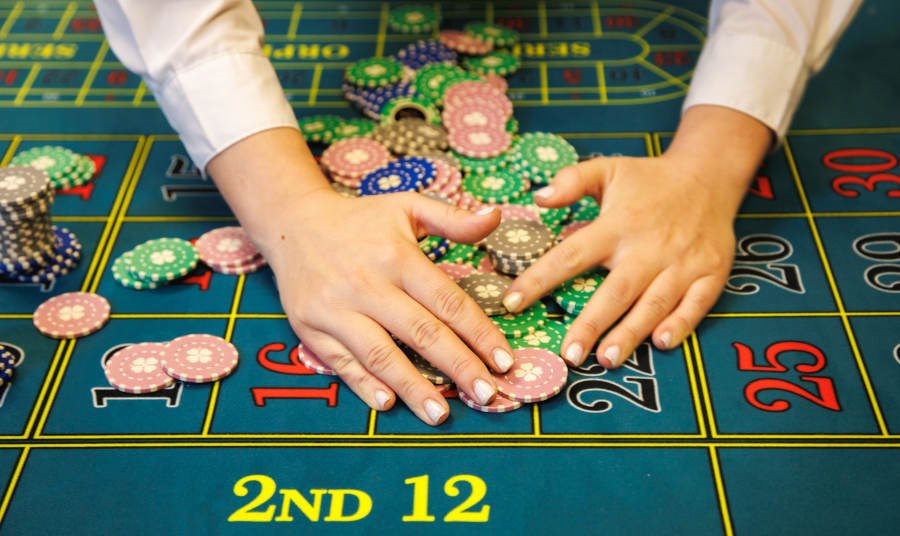
What Are Outside Bets in Card Roulette?
Outside bets in roulette are wagers placed on broader groups of numbers on the roulette wheel, rather than one specific number or a small cluster of numbers. In Card Roulette, these bets work much like they do in traditional roulette, giving players a way to cover larger sections of the layout with a single wager.For players who are new to roulette-style games, outside bets can be a helpful place to start. They are easy to understand, simple to place, and give you a wider range of possible winning outcomes on each round.
What Are Outside Bets in Card Roulette?
In Card Roulette, outside bets are wagers placed on the areas around the outside of the main number grid. These bets are popular because they are straightforward. You do not need to choose a precise number or take on high stakes to enjoy the action.
What Is Considered an Outside Bet in Roulette?
An outside bet is generally any roulette bet that covers a broad number group on the betting layout. Common outside bets in roulette include red or black, odd or even numbers, high or low numbers, groups of a dozen, and columns.
These wagers are called "outside" bets because they are placed outside the main numbered grid on the layout. While exact table rules can vary by game, outside bets typically offer a higher chance of hitting than single-number wagers because they cover more possible outcomes.
Outside Bets vs. Inside Bets
The main difference between outside bets and inside bets is how many numbers the wager covers. Inside bets are placed on specific numbers or small groups of numbers within the main number grid. These include straight-up bets, split bets, street bets, corner bets, and line bets.Outside bets in roulette cover larger groups of numbers. Because they include more possible outcomes, they usually pay less than inside bets when they win. Inside bets can offer larger payouts, but they are more specific and hit less often.
Why Outside Bets Appeal to Players
Outside bets appeal to many players because they make roulette-style games easy to follow. You can choose a color, number range, dozen, or column without needing to study every possible number combination on the layout.They can also help players manage the pace of the game. Since outside bets cover more numbers, they may feel more approachable for guests who prefer steady, simple wagers over long-shot plays.
Types of Outside Bets
Card Roulette includes several common outside bet options. Each one covers a different group of numbers and gives players a clear way to participate in the game without choosing a single exact number.
Red or Black Bet
A red or black bet is a wager on whether the winning number will be either red or black. This is one of the simplest outside bets in roulette because it focuses only on the color connected to the result.If the winning result lands on the color you selected, the bet wins. If the result lands on the other color, or on a zero or double zero when applicable, the bet loses.
Odd or Even Bet
An odd or even bet is a wager on whether the winning number will be odd or even. Like red or black, odd or even bets do not include zero or double zero. If the result is zero or double zero, the odd or even wager loses. 
High or Low Bet (1-18 vs. 19-36)
A high or low bet lets players choose between the lower half or upper half of the standard roulette numbers. A low bet covers numbers 1 through 18, while a high bet covers numbers 19 through 36.If the winning number falls within the range you selected, the bet wins. Zero and double zero are not included in either range.
Dozens Bet (1st, 2nd, and 3rd Dozen)
A dozens bet divides the numbers into three groups of 12. The first dozen covers 1-12, the second dozen covers 13-24, and the third dozen covers 25-36.This option gives players a way to cover one-third of the numbered outcomes with a single bet. Because it covers fewer numbers than red or black, odd or even, or high or low, a winning dozens bet typically pays more than an even-money outside bet.
Column Bet
A column bet covers one of the three vertical columns on the roulette layout. Each column includes 12 numbers.Column bets are similar to dozens bets in that they cover 12 numbers and typically offer the same payout. The difference is that dozens are grouped by numerical range, while columns are grouped by their position on the betting layout.
Payouts and Odds
Outside bets in roulette are popular because they are easy to understand and cover larger groups of numbers. In general, the more numbers that a bet covers, the lower the payout will be. The fewer numbers that a bet covers, the higher the payout may be.
Even Money Bets (1:1 Payout)
Even money bets typically pay 1:1. This means that if you place a winning $10 wager, you win $10 in addition to keeping your original bet.Common even money bets include red or black, odd or even, and high or low. Zero and double zero are not included in these bets.
Column and Dozen Bets (2:1 Payout)
Column and dozen bets typically pay 2:1. This means that if you place a winning $10 wager, you win $20 in addition to keeping your original bet.A dozen bet covers one group of 12 numbers: 1-12, 13-24, or 25-36. A column bet also covers 12 numbers, but the numbers are grouped by their position on the layout rather than by numerical range.
Because these bets cover 12 numbers instead of 18, they pay more than even money bets.
House Edge in American Roulette
American roulette uses both a single zero and a double zero. Because those spaces are not included in most outside bets, they give the house its mathematical advantage. In standard American roulette, the house edge is 5.26 percent.That means that outside bets in roulette may feel easier to follow and may cover more possible outcomes, but they do not remove the house edge. Players should still approach the game with a set budget and a clear understanding that every wager carries risk.
How Card Roulette Differs from Traditional Roulette
Card Roulette keeps the familiar roulette-style betting layout but uses cards to determine the result instead of a spinning wheel and ball. For players who already know traditional roulette, the betting options can feel familiar.
What Is Card Roulette
Card Roulette is a table game that uses a roulette-style layout with cards representing possible roulette outcomes. Players place wagers on numbers, colors, ranges, columns, dozens, or other available betting areas, then the result is determined by the cards used in the game.The goal is still the same: place your wager before the result is revealed and win if your bet matches the outcome.
How Cards Replace the Wheel
In traditional roulette, the dealer spins a wheel and rolls a ball to determine the winning number. In Card Roulette, cards are used in place of the wheel and ball. The cards correspond to roulette numbers or outcomes, and the selected card determines the result for that round.This card-based format creates a roulette-style experience while using a different method to produce the winning outcome. Players can still follow the layout, place familiar roulette wagers, and watch the round unfold at the table.
How Outside Bets Work in Card Roulette
Outside bets in Card Roulette work just like outside bets in traditional roulette. If you bet on red, black, odd, even, high, low, a dozen, or a column, your wager wins if the card-selected result falls within that group. The format may use cards instead of a wheel, but the basic idea behind outside betting remains the same. Bankroll Management Tips
Card Roulette is a game of chance, so it is important to set a clear budget before you begin. Decide how much you are comfortable spending, and treat that amount as your entertainment budget for the session. Once you reach that limit, step away from the table rather than chasing losses.Outside bets in roulette can be useful for players who want to make their money stretch, but they still carry risk. Even money bets may cover more outcomes than single-number bets, while column and dozen bets can offer larger payouts, but no betting style guarantees a win. A smart approach is to understand the available wagers, choose bet sizes that fit your budget, and keep the experience fun.
It can also help to set a win goal. If you are ahead and reach a point where you are happy with your results, consider taking a break or cashing out. Managing your bankroll is not just about limiting losses. It is also about knowing when to enjoy a good session and walk away.