
Blackjack Table Etiquette
When you sit down at a blackjack table, you join one of the most exciting and most social games on the casino floor. But like any shared space, blackjack has its own set of customs and unspoken rules. Understanding proper blackjack table etiquette ensures a smooth, enjoyable experience for both you and your fellow players. Whether you're new to the game or a regular at the tables, mastering these basics helps you play confidently and respectfully.Understanding the Basics
Blackjack etiquette is all about keeping the game fair, efficient, and enjoyable. While the rules of blackjack are simple, the way you handle your cards, chips, and communication at the table matters just as much. The goal is to help the dealer run the game smoothly while avoiding mistakes or misunderstandings that could slow down play or cause confusion. From where you place your bets to how you signal your next move; every action follows a standard procedure.Table Layout and Procedures
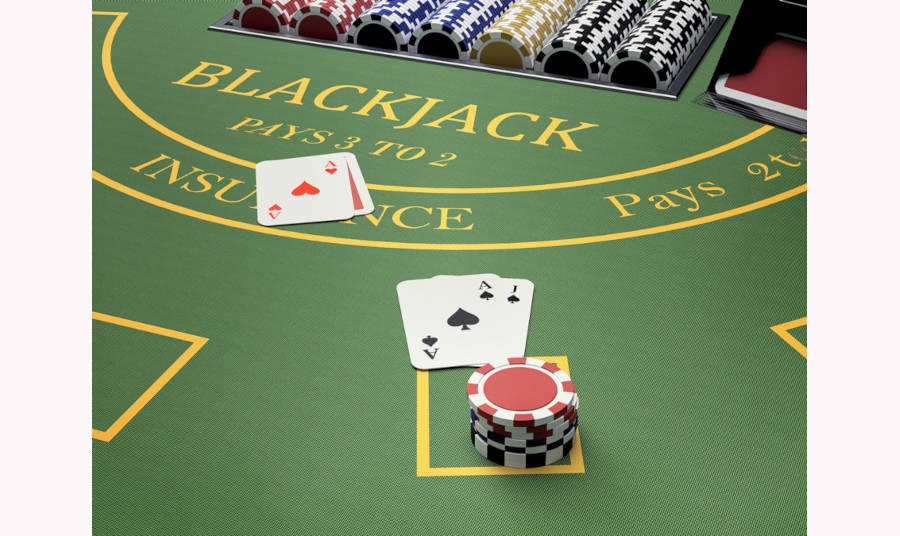
A blackjack table typically features semicircular seating with the dealer standing behind the table. Each player has a designated betting spot marked on the felt. You place your wager directly in front of you on the table.Once bets are placed and cards are dealt, all actions - hitting, standing, splitting, or doubling down - must be made using hand signals rather than words. This allows security cameras to verify every move and ensures fairness for all players.
How Do You Handle Money and Chips?
Proper chip and money handling is one of the most important elements of blackjack table etiquette. Casinos enforce these standards to keep game integrity and prevent misunderstandings between dealers and players.
Placing Cash on the Table
In blackjack, you never hand money directly to the dealer. Instead, place your cash flat on the table surface, typically just outside your betting circle. The dealer will spread out the bills, announce the amount for surveillance cameras, and then exchange them for casino chips.This ensures transparency and protects both the player and the casino. Once you receive your chips, you can begin placing bets for the next hand.
Chip Placement Rules
When making a bet, place your chips neatly within your designated betting circle before the dealer begins dealing. Stack your chips if you're betting multiple denominations, with higher-value chips on the bottom and lower-value ones on top. Avoid tossing chips across the table; simply place them gently in front of you. Once the dealer signals that betting is closed, your wager is officially in play and cannot be changed.
Not Touching Chips After Betting
Once you've placed your bet and the cards have been dealt, do not touch your chips until the hand is complete. Adjusting, adding, or removing chips during the round is strictly prohibited, as it could appear that you're trying to alter your wager based on the cards in play.When the hand concludes, the dealer will either pay you out or collect your chips. Wait for the dealer's signal before touching any winnings or resetting your bet for the next round.
Card Handling Rules
Card handling depends on the type of blackjack game being played:- Face-up games (the most common) - Players do not touch the cards at all. The dealer handles all dealing and card movements.
- Face-down games (less common) - Players are allowed to pick up their cards using only one hand and must always keep them above the table.
How Do You Communicate Your Play?
Blackjack is as much about communication as it is about strategy. While players can speak to the dealer, all major decisions - such as hitting, standing, doubling down, or splitting - are confirmed through hand signals. This system allows security cameras (and the dealer) to clearly record each player's intent, ensuring transparency and fairness on every hand.
Using Hand Signals
When it's your turn, the dealer will look to you for your next move. You'll signal your choice based on your cards and the dealer's upcard. Hand gestures clearly show your decision without disrupting the flow of play.
Hit Signals
If you'd like another card, tap the table lightly with your finger or wave your hand toward yourself in a "come here" motion. These gestures tell the dealer to deal another card. Continue until you're satisfied with your hand or choose to stand.
Stand Signals
When you're happy with your total and don't want any more cards, simply wave your hand horizontally over your cards. This clearly signals that you are standing and ready for the dealer to continue.
Double Down and Split Signals
If you'd like to double down (double your bet for one additional card), place an equal amount of chips next to your original wager and hold up one finger to indicate your choice.When you have a pair and wish to split, place an equal bet beside your first wager and hold up two fingers. The dealer will separate your cards and deal each one a new second card, creating two active hands.
These gestures must be made before the dealer draws any new cards, so it's best to signal confidently and clearly.
What Are Dos at the Blackjack Table?
Blackjack table etiquette is rooted in respect for the dealer, other players, and the game itself. Here are a few essential "dos" to follow:- Do know basic rules before joining a table to keep the game moving smoothly.
- Do use clear hand signals for every action.
- Do tip the dealer when you're winning.
- Do wait for the dealer's cue before touching chips or cards.
- Do keep conversation polite and positive.
What Are Don'ts at the Blackjack Table?
Just as important are the "don'ts" - common mistakes that can frustrate dealers or slow down the game:- Don't touch your bet or cards once the hand has started.
- Don't give money directly to the dealer; place it on the table instead.
- Don't blame the dealer or other players for bad hands or losses.
- Don't offer advice unless asked.
- Don't use your phone or take pictures while playing.