
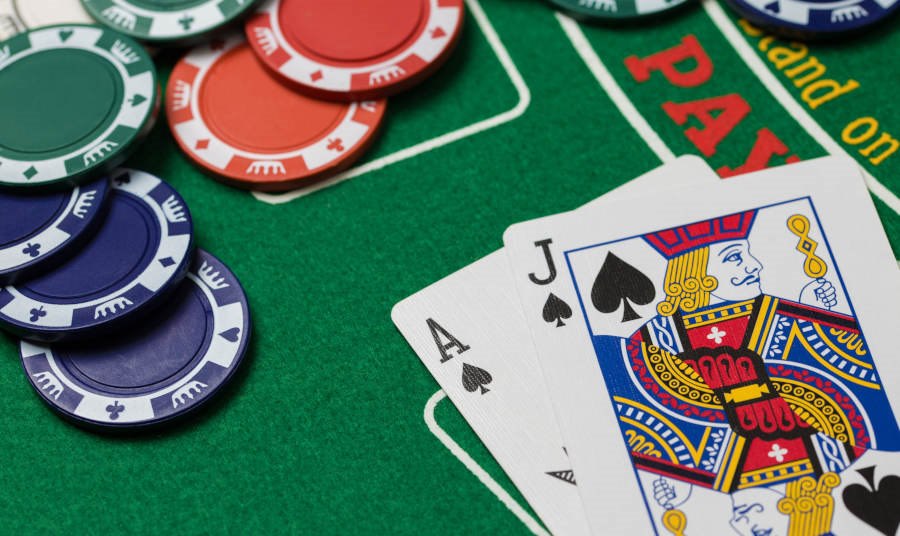
Hands Per Hour in Blackjack
In blackjack, "hands per hour" refers to how many rounds of the game are completed in a single hour of play. It is a simple concept, but it can have a meaningful effect on the overall pace of a session. The faster the table moves, the more hands are played. The slower the table moves, the fewer decisions and wagers happen over the same amount of time.This matters because blackjack is not just about the rules of the game. It is also about rhythm. A quick-moving table can create a very different experience from a slower, more social one. Understanding hands per hour in blackjack can help players better understand table pace, session length, and how quickly wins or losses may add up.
How Many Hands of Blackjack Are Played in an Hour?
There is no single number that applies to every blackjack table. The number of hands played in an hour can vary widely depending on how many people are seated, how quickly the dealer works, whether players are making complicated decisions, and how often the game pauses for shuffling or side bets.In general, a table with fewer interruptions and fewer players will move much faster than a crowded table. A heads-up game with just one player and the dealer may move quickly, while a full table with multiple players making decisions each round will naturally take longer. That is why hands per hour is best understood as a range rather than a fixed number.
Factors That Affect Hands Per Hour
Several game conditions can change the speed of a blackjack table. Some of them are easy to notice right away, such as how full the table is. Others are built into the game itself, including side bets, house procedures, and how cards are shuffled between rounds.
Number of Players at the Table
One of the biggest factors affecting hands per hour in blackjack is the number of players seated at the table. More players mean more cards dealt, more decisions made, and more time spent resolving each round. That slows the overall pace of play.At a fuller table, each hand takes longer because every player must receive cards and decide whether to hit, stand, double down, split, or take another action when allowed. At a shorter table, the game usually moves faster because fewer decisions need to be processed before the dealer completes the hand.
Dealer Speed and Experience
The dealer also has a major effect on how quickly blackjack moves. An experienced dealer who handles cards smoothly, pays bets efficiently, and keeps the action organized can help the table move at a steady pace. A newer or slower dealer may naturally create a slower game flow.Dealer speed affects more than just the mechanics of the game. It also affects how the table feels. A confident, efficient dealer can keep rounds moving without making players feel rushed, while a slower pace may create a more relaxed atmosphere but reduce the number of hands played over time.
Rule Variations and Side Bets
Rule variations also influence hands per hour in blackjack. Some blackjack games include features or side bets that add extra steps to each round. When players take time to place side bets, ask questions about payouts, or engage with additional betting options, the pace slows down.Even small differences in table procedures can make a noticeable impact over the course of an hour. The more decisions, payouts, and optional wagers built into the game, the longer each round will take to complete.
Shuffling Methods
Shuffling is another important factor in table speed. Traditional blackjack games pause periodically for the dealer to shuffle or for a new shoe to be brought into play. Those pauses reduce the total number of hands that can be completed in an hour.The way cards are shuffled also has a direct effect on how quickly the action moves and how many total hands are played during a session.
Average Hands Per Hour by Table Type
Not every blackjack table moves at the same pace. The number of hands dealt per hour can vary widely depending on table occupancy, game procedures, and equipment. That is why players often notice that one table feels much faster than another, even when both are offering the same basic game.In general, fewer players and fewer interruptions lead to more hands per hour in blackjack. A crowded table tends to move more slowly, while heads-up play or faster dealing systems can increase the pace substantially.
Full Table (6-7 Players)
At a full blackjack table with six or seven players, the pace is usually slower because each round includes more betting decisions and more cards in play. Every player must act before the dealer can finish the hand, which naturally reduces the total number of rounds completed in an hour.For many players, though, a full table has its own appeal. It can feel more social, more relaxed, and less intense than a fast-moving game.
Heads-Up Play (1 Player)
Heads-up blackjack, with just one player facing the dealer, is usually the fastest table format. With only one hand to resolve before the dealer acts, rounds can move quickly and continuously, especially when the player is familiar with the game and makes decisions promptly. This faster pace means the session can feel more active and more immersive.
Continuous Shuffling Machines (CSMs)
Blackjack tables that use continuous shuffling machines often move faster because they reduce or eliminate the pauses that come with traditional reshuffling. Instead of stopping the game for a manual shuffle or shoe change, the cards are cycled back through the machine as play continues. That smoother flow can increase the total number of hands dealt in an hour.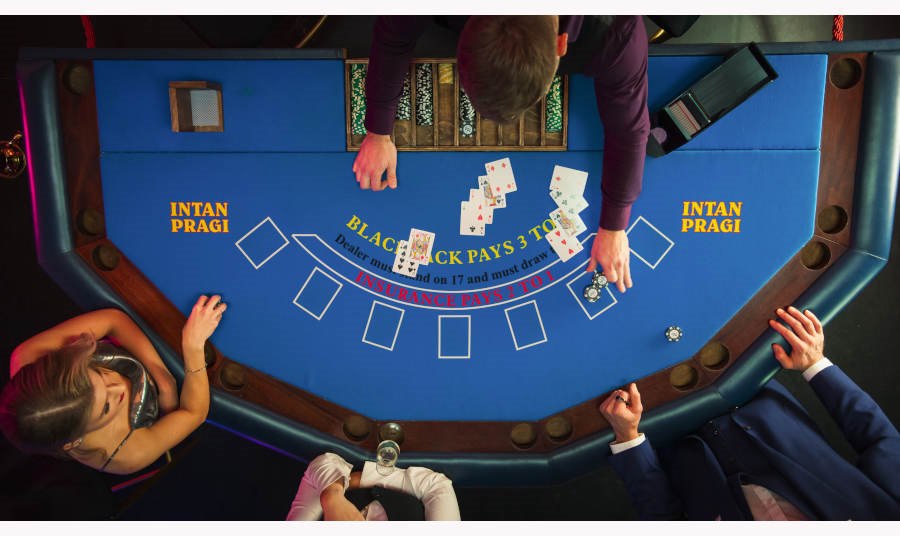
How Hands Per Hour Impacts the House Edge
Hands per hour in blackjack does not change the built-in house edge of a blackjack game by itself. The rules of the table still determine the house's mathematical advantage over the player on each hand. What changes is how often that edge is applied over the course of an hour. That distinction is important.
Effect on Expected Loss Over Time
Because the house edge applies to each hand played, a faster table can increase a player's expected loss over time simply by creating more betting opportunities. If you play more hands in an hour, you are exposing your bankroll to the game's house advantage more often during that same period.That does not mean a fast table is always a bad choice. It just means pace matters.
Relationship Between Speed and Variance
A faster game can also affect how variance feels during a session. Variance refers to the normal ups and downs that happen in blackjack over the short term. When more hands are played in less time, those swings can show up more quickly.At a slower table, wins and losses may feel more spread out. At a faster table, the same kind of variance can feel more intense because the session moves more quickly.
Managing Your Session with Hands Per Hour
Understanding hands per hour in blackjack can help players make smarter choices about how they want a blackjack session to feel. Some players enjoy a fast-moving table with constant action, while others prefer a slower pace that gives them more time between decisions. Neither approach is automatically better. It depends on your comfort level, budget, and goals for the session.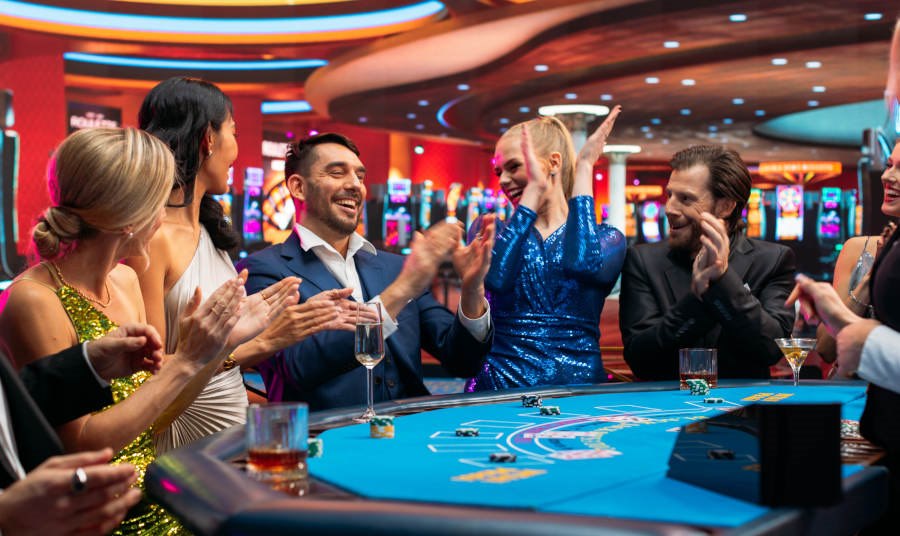
Bankroll Considerations
Bankroll management matters at any blackjack table, but it becomes especially important when the game is moving quickly. The more hands you play in an hour, the more often you are wagering, which means that your session budget can change faster than you might expect.Before you sit down, it can help to decide how much you are comfortable spending and how long you want your play to last. Players who want to extend their session may prefer a slower table or a betting level that gives them more breathing room. Players who enjoy faster action should still keep their limits in mind so the table's pace does not outrun their budget.
Choosing the Right Table for Your Goals
The right blackjack table depends on what kind of experience you want. If your goal is a more social, relaxed game, a fuller table may be a better fit. If you prefer more action and less waiting between hands, a shorter table or a faster-moving game may be more appealing.It can also help to think about whether you want your session to feel casual or more focused. Some players enjoy the slower rhythm of a busy table, while others like the momentum of a quick game.
Play Blackjack at Cache Creek Casino Resort
Blackjack is one of the classic ways to experience the casino floor. Whether you prefer a lively table with other players or a faster-paced solo game with more action, hands per hour in Blackjack helps define this flexible and engaging casino experience.At Cache Creek Casino Resort, guests can enjoy blackjack as part of a larger night out in Brooks, CA. With gaming, dining, entertainment, and resort amenities all in one destination, it is easy to make your blackjack session part of a full casino getaway. Visit us today to enjoy a night out - and maybe a bit of luck!